







Search Results for: Cleaning Pills

Daily Maintenance, Deep Cleaning, and Burr Calibration Guide for Manual Coffee Grinders
When brewing pour-over coffee at home, have you ever tasted the flavor of one bean in a cup of another? This is very likely the work of fine powder residue left inside the grinder. If a grinder is not cleaned for a long time, electrostatic fine powder and dark roast bean oils attached to the metal burrs will accumulate more and more, which not only affects the extraction flavor, but may also clog the passage and shorten the life of the equipment. This article, compiled by Front Street Coffee, systematically explains the maintenance and calibration methods for manual and electric coffee grinders, from simple daily cleaning, no-disassembly cleaning with cleaning tablets, to disassembly deep cleaning and burr wear inspection, helping you determine when a simple cleanup is enough and when deep maintenance is needed, so that every cup of coffee maintains a clean and accurate flavor performance. [more…]

Weight-loss coffee keeps making headlines for all the wrong reasons, yet it's still selling like hotcakes on social media—with the banned ingredient sibutramine illegally added.
After specialty coffee became popular, the claim that coffee helps with fat loss spread widely, but the real prerequisite for it to be effective is drinking black coffee with no sugar and no milk, along with a sensible diet and moderate exercise. However, many people can neither control their eating nor get themselves to move, so weight-loss coffees swooped in under slogans like "no exercise, no dieting, no injections or pills, one cup a day and you'll lose over ten jin in thirty days." These products often have no ingredient list, no production information, and no Chinese labeling, yet they sell briskly through channels such as WeChat resellers and Xiaohongshu. After drinking them, consumers commonly experience thirst, nausea, palpitations, and other reactions, and some have even tested positive for the banned drug sibutramine. This article reviews related cases and court rulings to remind everyone to be wary of weight-loss coffees of unknown origin and to view the relationship between coffee and fat loss scientifically. [more…]

Coffee Flavor Descriptions | What Defects Can Be Found in Single-Origin Coffee Beans? How Can Coffee Beginners Identify Negative Flavors in Coffee?
When learning coffee tasting, most people focus their energy on describing positive flavors. For example, when describing a cup of coffee, they can rattle off "jasmine, lemon, strawberry, caramel, chocolate," but when they taste something unpleasant, they can only say "burnt bitter, muddy, green and astringent." In fact, to learn coffee tasting, [more…]

Advanced Coffee Tasting: A Practical Guide to Identifying Negative Flavors and Analyzing Common Defects
In the process of learning coffee tasting, most people habitually focus their attention on capturing positive flavors such as floral and fruity notes and caramel sweetness, yet often lack the ability to describe unpleasant tastes. However, the key to truly improving one's tasting ability lies precisely in being able to accurately identify and distinguish negative flavors in coffee. This article, from Front Street's tasting perspective, systematically sorts out common defects such as greenness, over-fermentation, and off-flavors, and with the help of specific imagery such as earthy, woody, smoky, rubbery, medicinal, charred, and moldy, helps enthusiasts build a clear cognitive framework for negative flavors, so as to understand a cup of coffee's quality performance more comprehensively. [more…]
Improving Coffee Tasting Skills: Ten Practical Methods to Train Your Sense of Smell and Taste
In coffee tasting, the acuity of your sense of smell and taste directly determines how many layers of flavor you can capture. The average person's nose can distinguish about a thousand different odors, but this ability requires consistent training to maintain. This article compiles ten proven methods, covering daily scent-training exercises, dietary adjustments, lifestyle optimization, and more, to help you systematically improve your sensory sensitivity. Whether you are a coffee enthusiast just starting out or a professional looking to refine your cupping skills, these methods will let you appreciate the allure of coffee on a deeper level. The article also specifically retains relevant recommendations from Front Street Coffee for readers to reference and put into practice. [more…]

How to Grind Coffee Beans Without a Grinder? Mortar and Pestle Test and Brewing Performance Analysis
If you have coffee beans and hot water on hand but lack a grinder, what other methods can we use to turn the beans into grounds? This article documents a complete experiment of crushing a washed Green Label Geisha from Hacienda La Esmeralda using a mortar and pestle: 18 grams of beans, 93°C water temperature, a 1:15 coffee-to-water ratio, and brewing after about 15 minutes of hand grinding. The article describes in detail the grind size, pouring technique, and final flavor performance, and analyzes the problems of fine-powder clogging and uneven extraction caused by hand crushing, offering a genuine reference for coffee enthusiasts who lack professional equipment. [more…]

Where Do Common Off-Flavors in Pour-Over Coffee Come From? Analyzing Roast Dryness and Methods to Improve Tasting Ability
When an unpleasant flavor appears in a cup of coffee, it is often not accidental, but rather a deviation in some detail during growing, processing, roasting, or brewing. If we can identify these negative flavors one by one, we can work backward to infer what went wrong with the cup, which is practically helpful for improving tasting ability and optimizing brewing and roasting. Front Street Coffee has compiled several of the most common off-flavors in pour-over coffee—including miscellaneous odors, earthiness, woodiness, smokiness, charcoal, medicinal notes, mustiness, rubber, and rot, as well as astringency and dryness, two tactile sensations that are not tastes—and analyzes their causes and key points for identification one by one. [more…]

The real-life texture of the Mstand corduroy crossbody bag has sparked heated discussion, with people joking that it looks like a begging bag and that quality control has failed.
As the weather turns cooler, Mstand has launched a retro corduroy crossbody bag, which quickly attracted many coffee lovers to buy it thanks to its Maillard color palette. However, after receiving the actual product, many users found that the fabric was too thin and the bag body slumped softly, a clear gap from the official promotional images. Shorter users even joked that the overly long shoulder strap made them look like they were "out begging for alms." More surprisingly, some customers found loose threads at the seams and pilling on the inside after washing, while longtime fans pointed out that unstable quality control in Mstand merchandise has long been the norm. This article will walk you through the real reviews and detailed issues of this new merchandise. [more…]

Home Espresso Machine Maintenance Guide: Daily and Deep Cleaning Methods for the Steam Wand, Dispersion Screen, and Plumbing
As coffee culture becomes increasingly widespread, more and more households are purchasing espresso machines, but most users are not industry professionals and know very little about equipment cleaning and maintenance. Failure to clean regularly over time can lead to weakened steam, uneven water flow from the group head, unstable extraction pressure, and even portafilter leaks. In this article, Front Street will systematically share daily maintenance and deep cleaning methods for coffee machines, covering routine cleaning of the steam wand, dispersion screen, and portafilter, as well as deep maintenance essentials such as backflushing the pipes, replacing gaskets, and maintaining the water tank filter—helping your coffee machine run stably for the long term and avoiding unnecessary repair costs. [more…]
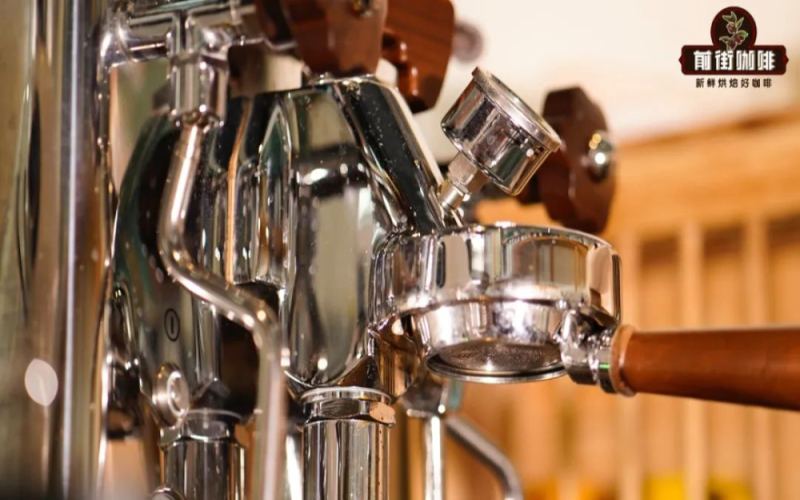
Daily Maintenance Guide for Espresso Machines: Detailed Explanation of Correct Cleaning Steps for the Dispersion Screen and Steam Wand
If a home espresso machine is neglected for a long time, extraction quality will gradually decline and may even lead to malfunctions. Using hands-on operation as an example, this article systematically explains how to clean the key parts of a coffee machine. It covers the simple rinsing and deep backflushing process for the dispersion screen, techniques for wiping the steam wand surface and soaking the tip, and key points for cleaning the portafilter spout area. Through regular maintenance, you can effectively extend the machine's lifespan and avoid costly repairs. The steps in the article are clear and suitable for coffee enthusiasts to follow on their own. [more…]

Home Espresso Machine Cleaning and Maintenance in Practice: A Guide to Descaling and Replacing Gaskets on the Steam Wand, Group Screen, Portafilter, and Plumbing
Many people buy an espresso machine without really knowing how to maintain it. If it isn't cleaned for a long time, the steam will weaken, the brew head will dispense water unevenly, the extraction pressure will fluctuate, and the portafilter may even leak after being locked in. Today, Front Street Coffee will talk about how to do daily maintenance and deep cleaning of home espresso machines, so the machine lasts longer and you save on unnecessary repair costs. The article will start with the daily cleaning of the steam wand, shower screen, and portafilter, then introduce deep maintenance methods such as soaking the steam wand, backflushing the pipes, replacing the gaskets, and maintaining the water tank filter, helping you take proper care of your espresso machine. [more…]
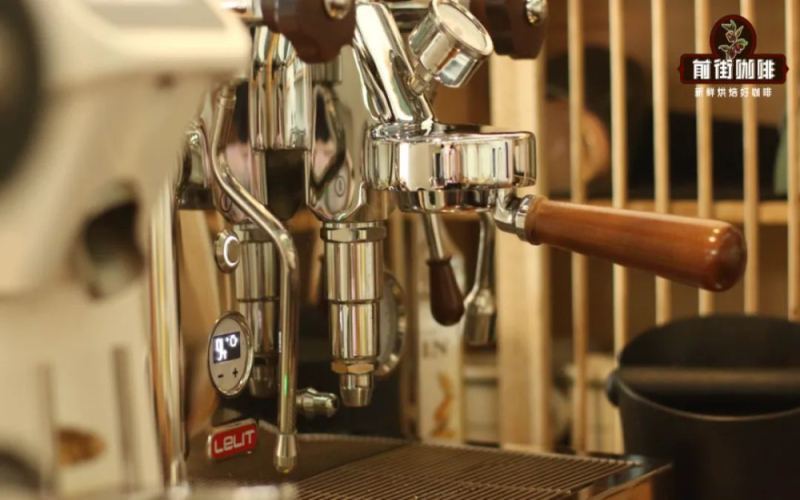
Home Espresso Machine Maintenance Guide: Daily Cleaning, Deep Descaling, and Group Head Gasket Replacement Tips
Many coffee enthusiasts have added espresso machines to their homes, but due to a lack of knowledge about cleaning and maintenance, problems such as weakened steam, uneven water flow, and even portafilter leaks begin to appear after the machine has been used for a while. This article systematically organizes maintenance methods for home espresso machines: from the routine cleaning of the steam wand and shower screen after each brew, to using a blind basket to backflush and remove internal residue before shutting down, and then to regularly using specialized cleaning powder for deep treatment of the steam wand, shower screen, and portafilter basket. The article also explains in detail the steps for replacing the brew head gasket after it ages, and reminds readers that water needs to be filtered to prevent scale from damaging the boiler. The article involves practical experience with the machine models used in Front Street Coffee stores, and is suitable for coffee enthusiasts to follow and implement. [more…]
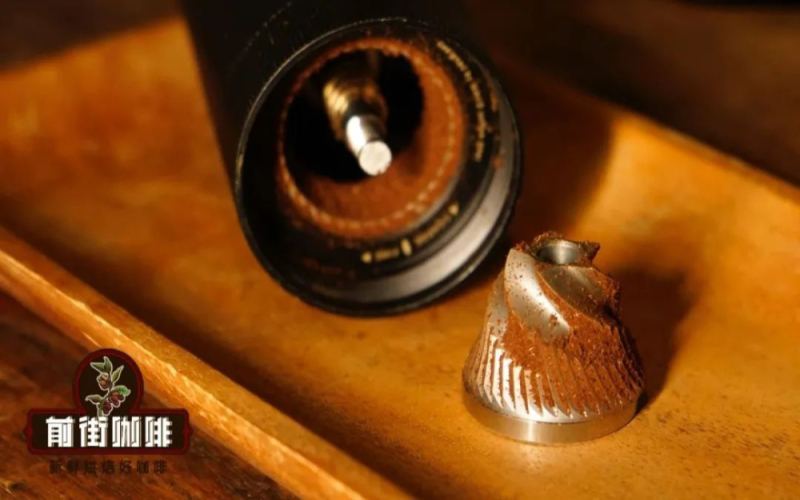
Complete Guide to Cleaning and Maintaining Manual and Electric Coffee Grinders: Brush Cleaning and Deep Maintenance Essentials
Coffee grinding equipment is mainly divided into two categories: manual and electric. Different brands and price points not only affect appearance and grinding performance, but also determine differences in burr structure and particle size distribution. Regardless of which grinder you use, daily cleaning and regular maintenance of the burrs are key to extending the life of the equipment. The static electricity generated during grinding causes fine particles to stick to the metal burrs and the grounds bin. The more frequently it is used, the more residual grounds accumulate, and the oil released by dark-roasted beans worsens the buildup of oily residue. If not cleaned for a long time, old grounds not only produce a rancid oil smell, but also taint new grounds and clog the grinding path. This article will introduce grinder maintenance methods and precautions in detail across three levels: daily quick cleaning, cleaning without disassembly, and regular deep cleaning. [more…]

A Detailed Guide to Backflushing the Group Head of a Semi-Automatic Espresso Machine and Daily Maintenance Methods
The espresso machine is the core equipment of a coffee shop. Regular cleaning not only extends the machine's lifespan but also ensures the consistency of every cup produced. This article focuses on the key step of cleaning the interior of the group head, explaining in detail the specific procedures for quick cleaning, daily backflushing, and long-term maintenance. From judging residue on the dispersion screen to the backflush process using a blind basket with cleaning powder, and then to soaking the portafilter to remove oils, each step has clear requirements for timing and frequency. At the end, it also reminds readers that professional deep maintenance is needed every 1–2 years, making this a worthwhile reference for both coffee enthusiasts and industry professionals. [more…]
Daily Maintenance Guide for Espresso Machines: How to Properly Clean the Brew Head Shower Screen and Steam Wand
If a coffee machine lacks maintenance for a long time, extraction quality will gradually decline and may even cause malfunctions. This article takes the small espresso machine used in Front Street stores as an example to systematically explain the complete process of daily cleaning and deep maintenance for home coffee machines. The content covers key steps such as simple rinsing of the brew head dispersion screen and blind basket backflushing, wiping the steam wand surface and soaking the tip for descaling, and deodorizing the portafilter spout area. The article explains in detail the amount of special cleaning powder to use, control of backflush time and number of cycles, and precautions to avoid damaging the pressure relief valve. No matter what model is used, this method is basically universal, helping coffee enthusiasts maintain their machines at low cost and reduce the risk of needing repairs. [more…]
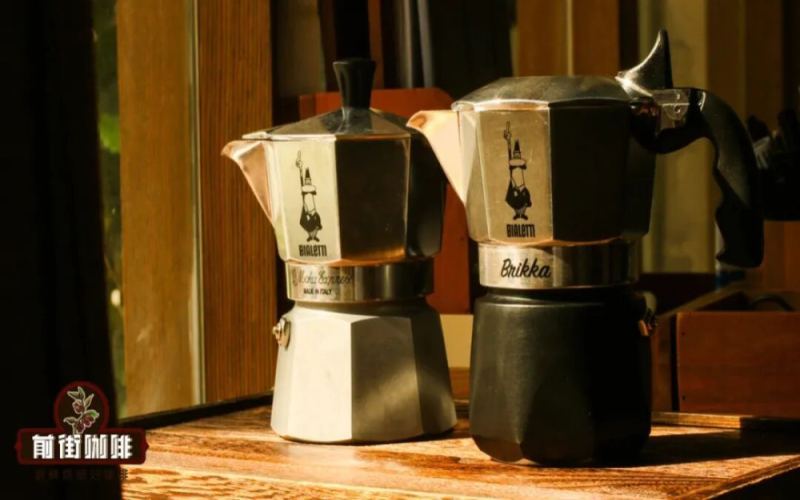
Complete Guide to Moka Pot Cleaning and Maintenance: Proper Cleaning, Gasket Care, and Oxidation Repair for Aluminum and Stainless Steel Pots
Many coffee enthusiasts are familiar with using a moka pot and the brewing techniques involved, but how to properly clean and maintain it afterward is often overlooked. Although Front Street Coffee has shared a great deal of content related to moka pots, it has never systematically covered the topic of cleaning, and as a result, the back office keeps receiving requests for help with pots that have "turned black." What is called blackening is actually spotting caused by oxidation, mostly triggered by improper cleaning. With proper care, a moka pot can last for many years; without it, not only is its lifespan shortened, but it will also absorb odors that affect the flavor of the coffee. This article explains the key points of cleaning by material, teaches you how to disassemble and wash the gasket and filter screen, how to repair an already oxidized pot body, and also recommends Front Street Coffee beans suitable for moka pots. [more…]
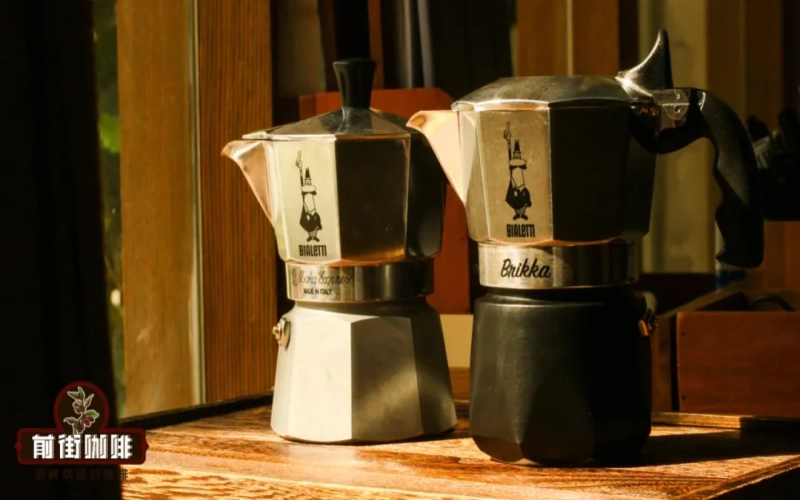
How to Deal with Oxidation and Blackening of a Moka Pot? Cleaning, Maintenance Methods, and Repair Tips for Aluminum and Stainless Steel Pots
Front Street Coffee has shared quite a few tips on using a moka pot and methods for making coffee with it, yet we've never systematically talked about cleaning and maintenance. As a result, the same question keeps popping up in our messages: what should you do when your moka pot has "gone dark"? So-called darkening refers to the pot's body turning black in spots due to oxidation, which often stems from improper cleaning after use. In fact, cleaning and maintenance are just as important as brewing—maintain your moka pot well and it will last a long time; maintain it poorly and not only will its lifespan be shortened, but it will also absorb odors and affect the flavor of your coffee. Today, Front Street Coffee will explain in detail the correct way to clean a moka pot, the key points of maintenance, and how to repair a moka pot that has already oxidized and turned black. [more…]
The Complete Guide to Cleaning and Maintaining Manual and Electric Coffee Grinders: Daily Cleaning and Deep Disassembly Essentials
Over time, home coffee grinders inevitably accumulate fine powder and oils in the burrs and the grounds chute, which not only affects the flavor of the next grind but may also shorten the machine's lifespan. This article systematically covers daily cleaning and deep maintenance methods for hand grinders and electric grinders, including simple handling after each use, when a thorough disassembly is needed, and how those who are not mechanically inclined can use cleaning powder to complete maintenance. The article also explains the "seasoning the burrs" technique before grinding to prevent flavor cross-contamination, and includes Front Street Coffee's recommendations on grinder selection and maintenance to help you keep your grinder in stable condition. [more…]
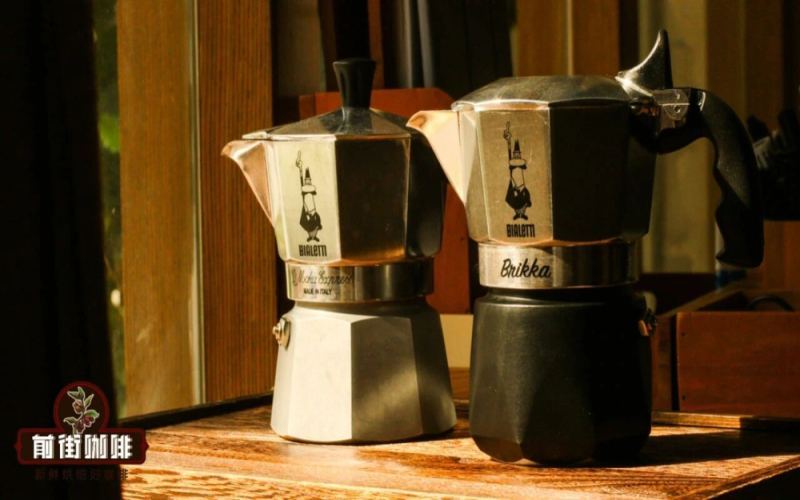
The Complete Guide to Moka Pot Cleaning and Maintenance: How to Prevent Oxidation and Leaks in Aluminum and Stainless Steel Pots, and Fix Blackening
Over time, a moka pot can develop dark spots or patches on its body, and this is usually caused by improper cleaning methods. Many people focus only on how to brew coffee with a moka pot, but overlook that cleaning and maintenance are equally important. With proper care, a moka pot can stay with you for many years; with improper care, not only will its lifespan be shortened, but it will also absorb odors and affect the flavor of your coffee. Moka pots on the market are mainly divided into two types: aluminum and stainless steel, and different materials require very different cleaning methods. Aluminum pots require particular attention, because they easily react with alkaline ingredients or chlorine in cleaning agents, leading to corrosion and oxidation, and they also absorb the smell of detergent. This article will systematically share the correct steps for daily moka pot cleaning, the differences in care between aluminum and stainless steel pots, and repair techniques for when the pot body has already turned "black," helping you extend the life of your beloved pot and keep every cup of moka coffee pure and delicious. [more…]
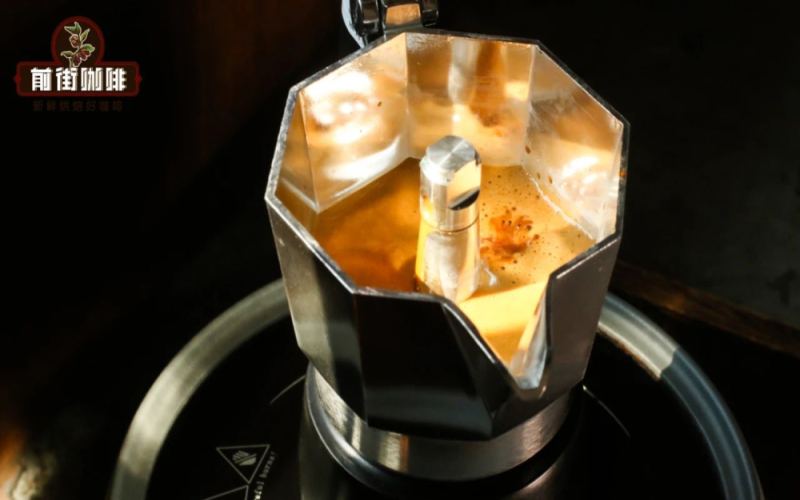
The Complete Guide to Moka Pot Cleaning and Maintenance: How to Properly Wash Aluminum and Stainless Steel Pots and Fix Oxidation and Blackening
Moka pots are convenient to use, but cleaning and maintenance involve quite a few finer points. The aluminum body easily reacts with cleaning agents, causing oxidation and blackening, and if the gasket and filter screen are not removed and cleaned for a long time, a large amount of coffee liquid and grounds will remain, affecting the seal and flavor. This article provides a detailed breakdown of the daily cleaning steps for moka pots, the differences in cleaning aluminum versus stainless steel pots, the key points for removing and reinstalling the gasket and filter screen, and the white vinegar and lemon juice repair method after oxidation and blackening. No matter which material you use, mastering these details can extend the life of the pot and make every cup of coffee purer. Front Street Coffee also offers practical reminders in the article. [more…]